Navigating the complexities of B2B purchasing requires an in-depth understanding of buyer behavior, which has evolved significantly over recent years. Companies today must adapt to these changing dynamics to stay competitive. In this blog post, we'll explore the key behaviors and preferences of B2B buyers in 2024, supported by data and insights from the latest industry reports.
The digital transformation of B2B buying
The landscape of B2B buying has transformed dramatically over the past decade, driven by the rapid digitalization of commerce. Today's B2B buyers are more informed, more independent, and more demanding than ever before. This shift is largely due to the extensive digital resources at their disposal, allowing them to research, compare, and make purchasing decisions with unprecedented ease and efficiency. For sellers, adapting to this digital revolution is not just beneficial—it's crucial. A robust B2B e-commerce solution is no longer optional; it's a key factor in staying competitive and meeting the evolving needs of modern buyers.
How B2B buyers search for new products and suppliers
 Online searches and marketplaces
One of the most significant changes in B2B buying behavior is the move towards online searches and marketplaces. According to a recent report by Digital Commerce 360, 77% of buyers now rely on self-serve resources for their purchasing decisions, a significant increase from 67% in 2022. Additionally, 82% of businesses prefer online buying due to the time savings it offers (Dansk Industri) . Platforms like Google, Alibaba, and ThomasNet have become essential tools for buyers seeking detailed product information and supplier comparisons.
 Company websites and product catalogs
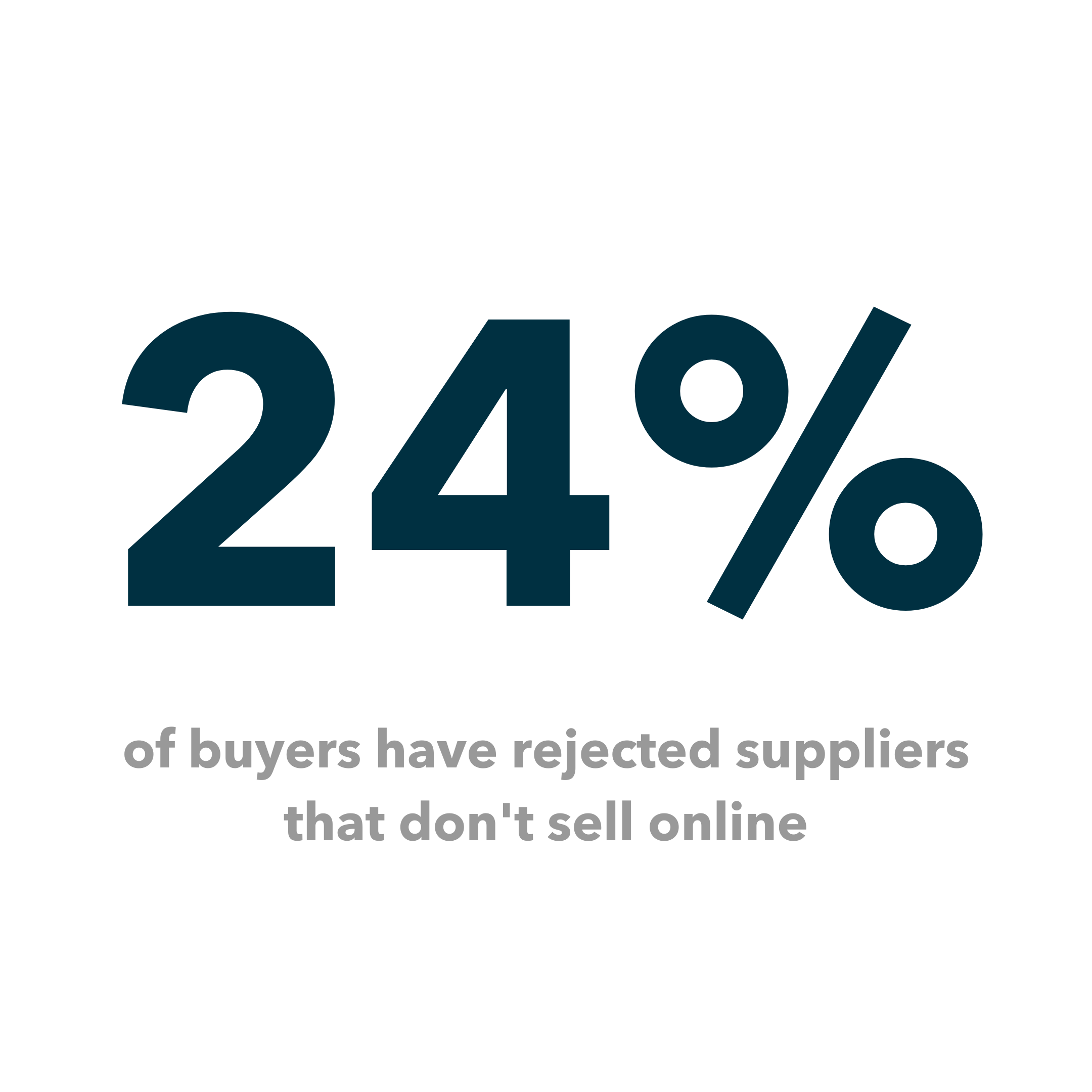
Buyers often visit company websites as a primary source of information. Well-organized product catalogs and detailed specifications are crucial. The ability to easily find and understand product offerings can significantly influence purchasing decisions. The report from Digital Commerce 360 emphasizes that comprehensive and user-friendly websites are vital in capturing and maintaining buyer interest. Notably, 24% of buyers have rejected suppliers that don't sell online, highlighting the importance of having a robust online presence.
Social media and professional networks
B2B buyers increasingly utilize social media platforms like LinkedIn to stay updated on industry trends and seek peer recommendations. Social media provides a platform for buyers to engage with industry experts, participate in discussions, and gain insights from their professional network. According to Dansk Industri, 48% of B2B buyers use social media to gather information on potential suppliers. Moreover, 53% of professional buyers seek inspiration online, indicating that social media and online content play a crucial role in the discovery and decision-making process (Dansk Industri) .
Webinars, whitepapers, and online content
Educational content such as webinars, whitepapers, blogs, and case studies play a vital role in the decision-making process. These resources help buyers understand the products and services better and see how they can be applied to solve specific problems. According to Dansk Industri, 55% of B2B buyers find webinars and online content highly influential during the decision-making process. Providing valuable and informative content can significantly enhance a company's credibility and influence buyer decisions.
The digitalization of B2B buying
The shift to digital has made the B2B buying process more efficient and transparent. Buyers can now access a wealth of information at their fingertips, compare multiple options in real-time, and make data-driven decisions. Key aspects of this digital transformation include:
 Accessibility and convenience
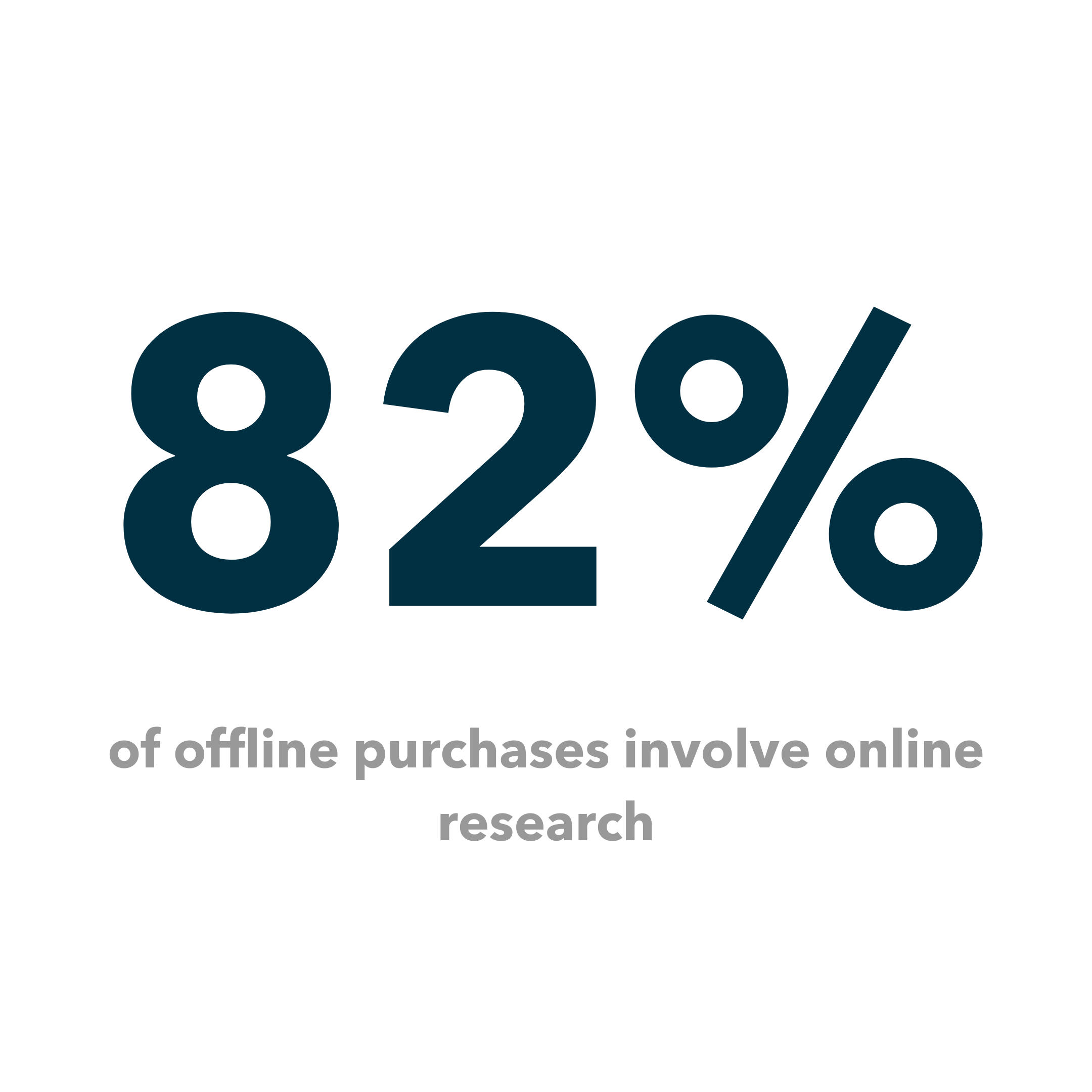
Digital tools and platforms make information accessible anytime, anywhere, breaking down traditional business hour barriers. This accessibility allows buyers to conduct research and make purchasing decisions at their convenience, significantly speeding up the buying process. Interestingly, 82% of offline purchases involve online research, emphasizing the importance of an integrated digital strategy (Dansk Industri) .
Enhanced data and analytics
Advanced analytics allow buyers to evaluate suppliers and products based on performance metrics and customer reviews. This data-driven approach ensures that buyers can make more informed and reliable decisions. Digital Commerce 360 notes that 64% of B2B buyers consider data and analytics as critical factors in their purchasing process.
Streamlined procurement processes
Digital procurement solutions integrate various stages of the buying process, reducing manual effort and speeding up transactions. This streamlining helps in reducing costs and improving overall efficiency in procurement operations.
The importance of B2B e-commerce solutions for sellers
For sellers, having a robust B2B e-commerce solution is critical in meeting the expectations of today's digital-savvy buyers. Here are some reasons why:
Improved customer experience
A well-designed e-commerce platform offers a smooth buying experience with features like easy navigation, detailed product information, and streamlined checkout processes. According to insights from Dansk Industri, 60% of buyers report a higher satisfaction rate when purchasing through well-designed e-commerce platforms. A positive online experience can significantly boost customer satisfaction and loyalty (Dansk Industri) .
Data-driven insights
E-commerce platforms provide valuable insights into buyer behavior and preferences, enabling sellers to refine their offerings and marketing strategies. This capability allows businesses to stay agile and responsive to changing market demands.
Operational efficiency
Automation reduces the need for manual intervention, lowering operational costs and increasing efficiency. E-commerce solutions can automate various aspects of the sales process, from order management to customer support, leading to better resource allocation and improved profitability.
Conclusion
The digital transformation of B2B buying is an ongoing process, reshaping the way buyers and sellers interact. For B2B sellers, investing in a robust e-commerce solution is not just a matter of keeping up with trends—it's about staying relevant and competitive in a rapidly evolving market. By embracing digital tools and strategies, sellers can meet the needs of modern buyers, improve operational efficiency, and ultimately drive business growth. The future of B2B commerce is digital, and those who adapt will be the ones who thrive.
Sources: Dansk Industri and Digital Commerce 360.


 Ecommerce


